








































Across the EU, spoon engraving is a popular way to personalise cutlery for gifts, commemorative items, or creative craft projects. Engraved spoons are commonly used to mark initials, names, or short designs, adding both decorative and sentimental value.
With engraving techniques ranging from machine-based solutions to manual DIY methods, spoon engraving can be adapted to different skill levels and tool availability.
In this article, we outline six effective methods for engraving a spoon, covering options for beginners, hobbyists, and professional users. Whether you're working with a laser engraver, CNC equipment, or simple hand tools, each method is explained to help you choose the approach that best fits your workflow, budget, and creative preferences.

In this article:
- Method 1: Engrave a Spoon with a Laser Engraving Machine
- Method 2: Engrave a Spoon with a Rotary Tool
- Method 3: Engrave a Spoon via Hand Carving Tool
- Method 4: Engrave a Spoon with Cricut Maker
- Method 5: Engrave a Spoon via Stamping
- Method 6: Engrave a Spoon via CNC Machine
- FAQs: Hot Questions about Engraving A Spoon
Method 1: Engrave a Spoon with a Laser Engraving Machine
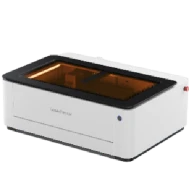
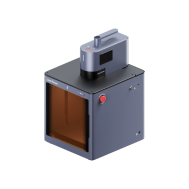
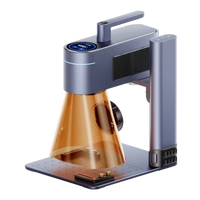
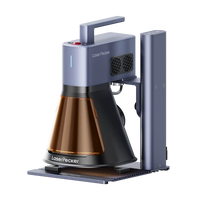
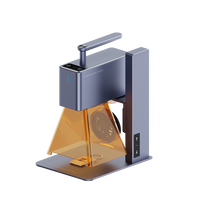
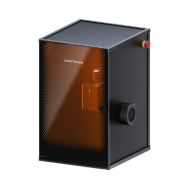
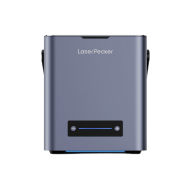
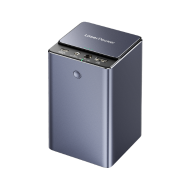
Laser engraving is widely recognised across the EU as a high-precision method for engraving spoons made from metal or wood. It enables clean, detailed engraving of text, symbols, and decorative patterns without physical contact with the surface.
This approach is suitable for personal projects, hobby use, and professional applications, especially where consistency and repeatability are required.
Equipment Required for Laser Spoon Engraving
-
A laser engraving machine
Fibre laser: for metal spoons
Diode laser: for wooden spoons - Design software (e.g., LightBurn, LaserPecker Software & App)
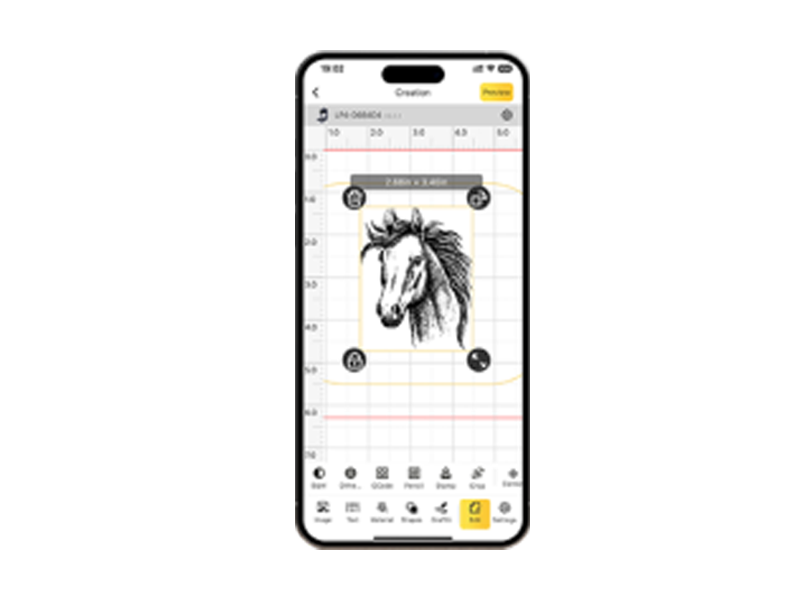
Step-by-Step Guide: Engraving a Spoon with a Laser
Step 1: Clean the Spoon
Wipe the surface to remove oil or dust for better engraving results.
Step 2: Prepare Your Design
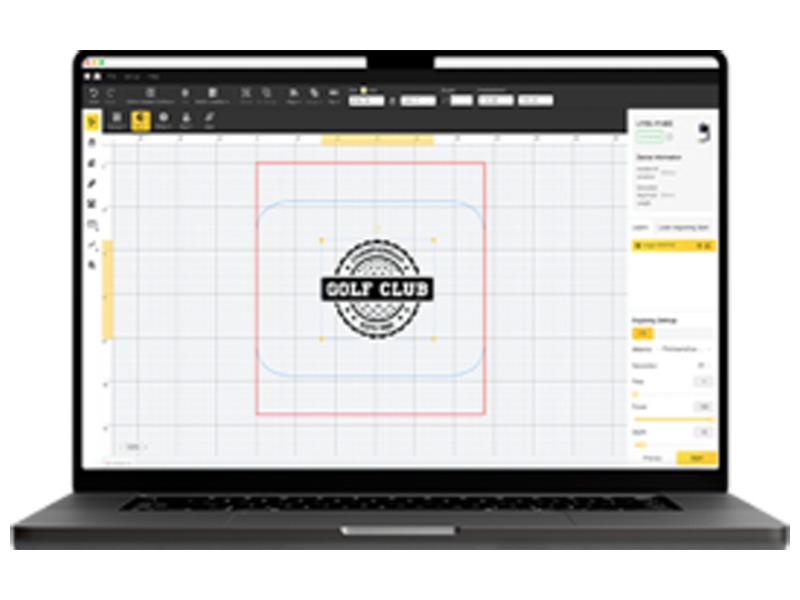
Use software to create or import your design, and adjust it to fit the spoon's engraving area.
Step 3: Position and Focus
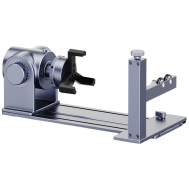
Secure the spoon on the laser bed. If engraving on a curved surface, use a rotary attachment. Adjust the focus.
Step 4: Set Parameters
Select the right speed, power, and number of passes based on the material.
Step 5: Run a Preview or Test Pass
Use a light outline or test engraving to confirm alignment.
Step 6: Start Engraving
Begin the engraving process and monitor it closely for accuracy and safety.
Advantages and Limitations of Laser Engraving a Spoon
👍Advantages:
Highly precise and professional engraving quality
Ideal for detailed text, logos, and fine graphics
Fast and repeatable for multiple spoons or small batches
👎Limitations:
Higher equipment cost compared to manual engraving methods
Method 2: Engrave a Spoon with a Rotary Tool
Across the EU, rotary tool engraving is a practical entry-level method for engraving spoons made from metal or wood. By manually guiding a rotating engraving bit, users can add basic text or decorative elements without relying on advanced equipment.
This method is best suited for hobbyists and occasional projects, where creative control and low cost are prioritised over high precision.
Required Tools for Rotary Tool Spoon Engraving
- Rotary tool or electric engraving pen
- Clamp, vise, or non-slip mat
Steps to Engrave a Spoon with a Rotary Tool
Step 1: Clean and Secure the Spoon
Remove any grease or dirt. Clamp the spoon securely to prevent slipping.
Step 2: Mark the Design
Sketch your design directly on the spoon with a marker or use a stencil.
Step 3: Choose the Right Bit
Diamond-tip bit: best for metal
Carbide or HSS bit: better for wood
Step 4: Engrave Slowly and Steadily
Turn on the rotary tool and start engraving with light pressure. Let the tool do the work—don't press too hard.
Step 5: Wipe and Refine
Clean off dust. For wood, lightly sand the engraved area. For metal, polish it if needed.
Advantages and Limitations of Rotary Tool Spoon Engraving
👍Advantages:
Inexpensive and easy to get started
Great for personal, handmade touch
👎Limitations:
Requires steady hand and patience
Hard to achieve very fine detail
Method 3: Engrave a Spoon via Hand Carving Tool
Across the EU, hand carving is recognised as a craft-focused engraving technique primarily used for wooden spoons. This method emphasises texture, depth, and manual craftsmanship rather than speed or precision.
Because it does not rely on electricity, hand carving is suitable for small craft projects, workshops, and traditional woodworking applications, especially when working with softwood spoons.
Required Tools for Hand-Carving a Spoon:
- Hand Carving Tools
- Engraving vise or clamp (to secure the pen)
- Wooden Spoon (softwoods like basswood or birch are easier to carve)
- Sandpaper (for smoothing the surface after carving)
Steps to Hand Engrave a Spoon
Step 1: Choose the Spoon and Tools
Select a smooth, clean wooden spoon and appropriate carving tools depending on the design
Step 2: Secure the Spoon
Use a clamp or hold the spoon firmly on a stable surface to prevent movement.
Step 3: Sketch the Design
Lightly draw your pattern or letters on the spoon with a pencil
Step 4: Start Carving
Carefully follow the design lines with the carving tools. Use shallow cuts at first and increase depth as needed.
Step 5: Finish the Surface
Once the design is complete, sand the edges and apply a food-safe finish or oil to preserve the wood and highlight the carving.
Advantages and Limitations of Hand-Carved Spoon Engraving
👍Advantages:
No electricity required
Highly personalized and artistic
👎Limitations:
Only works on wood (not suitable for metal spoons)
Time-consuming
Requires practice and good control
Method 4: Engrave a Spoon with Cricut Maker
In the EU, the Cricut Maker is commonly used for craft-based engraving projects rather than direct spoon engraving. With an engraving tip, it can engrave soft metal blanks such as aluminium, which can then be attached to spoons for personalised or decorative applications.
This method is best suited for hobby projects, gift embellishments, and non-functional decorative designs, rather than permanent engraving on the spoon itself.
Required Tools for Cricut-Based Spoon Engraving:
- Cricut Maker
- StrongGrip Mat
- Blank wooden or metal spoon (for attachment)
Steps to Engrave a Spoon with Cricut Maker
Step 1: Create Your Design
Open Cricut Design Space and create or import the text/design you want engraved.
Step 2: Place the Metal Blank on the Mat
Secure your aluminum blank onto a StrongGrip mat using masking tape to prevent movement.
Step 3: Engrave the Design
Send the project to the Cricut and let it engrave the design onto the metal tag.
Step 4: Clean and Attach
After engraving, clean off any debris. Attach the engraved blank to the spoon using glue or a decorative method (like wrapping with wire or tying with ribbon).
Advantages and Limitations of Using a Cricut Maker for Spoon Engraving
👍Pros:
High precision with clean lines
Ideal for repeatable designs
👎Cons:
Limited to specific materials such as aluminium blanks
Method 5: Engrave a Spoon via Stamping
Hand stamping is a widely used manual engraving technique across the EU for adding names, dates, or short messages to metal spoons. By striking steel stamps into the surface, the metal is physically deformed to create durable, tactile markings.
This method is particularly suitable for DIY projects, personalised gifts, and decorative flatware, where a handcrafted aesthetic is desired.
Required Tools for Spoon Stamping:
- Steel alphabet/number stamps
- Metal spoon (preferably stainless steel or silver-plated)
- Metal stamping hammer (or a regular small hammer)
Steps to Engrave a Spoon via Stamping
Step 1: Choose and Prepare the Spoon
Use a flat area of the spoon (typically the bowl). If it's slightly curved, you may need to flatten it with a rubber mallet.
Step 2: Mark the Stamping Area
Use masking tape to create a straight guide line and hold the spoon in place.
Step 3: Stamp the Design
Position a steel stamp on the metal and hit it firmly once with a hammer to leave a clean impression. Repeat for each character or design.
Step 4: Darken the Engraving
Rub a black permanent marker or stamping enamel over the stamped letters and wipe away the excess to make the impression stand out.
Step 5: Polish the Spoon
Use a polishing cloth or steel wool to clean up any residue and give it a finished look.
Advantages and Limitations of Metal-Stamped Spoon Engraving
👍Advantages:
No power tools required
Affordable and beginner-friendly
👎Limitations:
Requires precision and steady hands
Mistakes can't be undone
Method 6: Engrave a Spoon via CNC Machine
CNC engraving is regarded across the EU as a professional-grade solution for engraving metal spoons. By using computer-controlled movement, CNC machines deliver consistent engraving depth and accuracy, even for intricate text and graphic designs.
This method is particularly suited for industrial applications, commercial engraving services, and repeatable production, where precision and reliability are critical.
Required Tools for CNC Spoon Engraving
- CNC engraving machine
- Metal spoon (preferably stainless steel or aluminum)
- Work-holding jig or clamp to secure the spoon
Steps to Engrave a Spoon via CNC Machine
Step 1: Design Your Engraving
Create or import your text/logo design into CAD software and convert it into a toolpath using CAM software.
Step 2: Secure the Spoon
Firmly clamp the spoon to the CNC bed using a custom jig or clamp to avoid movement during engraving.
Step 3: Load the Tool and Set Zero Point
Install the appropriate bit and set the origin point (X, Y, Z) based on your design.
Step 4: Run the Engraving Job
Start the CNC process and monitor the engraving to ensure it proceeds smoothly.
Step 5: Finishing Touches
Once complete, clean and polish the spoon to remove debris and enhance the visibility of the engraving.
Advantages and Limitations of CNC Spoon Engraving
👍Advantages:
Extremely precise and consistent
Capable of complex and detailed designs
👎Limitations:
Expensive equipment and software
Steeper learning curve
FAQs: Hot Questions about Engraving A Spoon
Q1. What types of spoons can be engraved?
Spoons made from stainless steel, aluminium, or solid wood are best suited for engraving. Very thin or coated spoons may not produce durable results.
Q2. Is spoon engraving suitable for beginners?
Yes. Laser engraving is actually one of the most beginner-friendly options for spoon engraving.
Compared with manual engraving or stamping, laser engravers require far less hand control and physical effort. Once the design is set in the software, the machine handles the precision automatically, making it easier for beginners to achieve clean, consistent results. With proper safety accessories and basic setup, even first-time users can engrave spoons accurately and repeatably.
Q3. Which engraving method offers the best precision?
For maximum precision and repeatability, laser engraving and CNC engraving are the preferred methods. These are commonly used in professional and production settings.
Q4. Can I engrave a spoon without electricity?
Yes. Hand carving (for wood) and metal stamping are fully manual techniques that do not require electricity, making them suitable for workshops or craft environments.
Q5. Does engraving damage the spoon?
When done correctly, engraving does not weaken the spoon. However, excessive depth or poor technique may affect thin or soft materials.
Conclusion
Spoon engraving across the EU is best approached as a material- and purpose-driven process. Each engraving method—laser, CNC, stamping, hand carving, or craft-based solutions—offers distinct advantages depending on the spoon material, production scale, and required precision.
Professional engraving methods such as laser and CNC are ideal for repeatability and detailed designs, while manual techniques remain valuable for small projects, decorative work, or traditional craftsmanship. By understanding the strengths and limitations of each method, you can make an informed choice and achieve reliable, long-lasting engraving results tailored to your specific application.