
















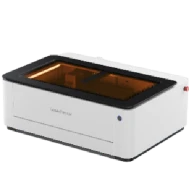
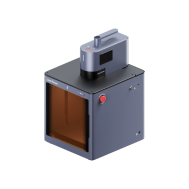
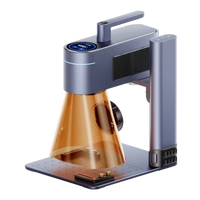





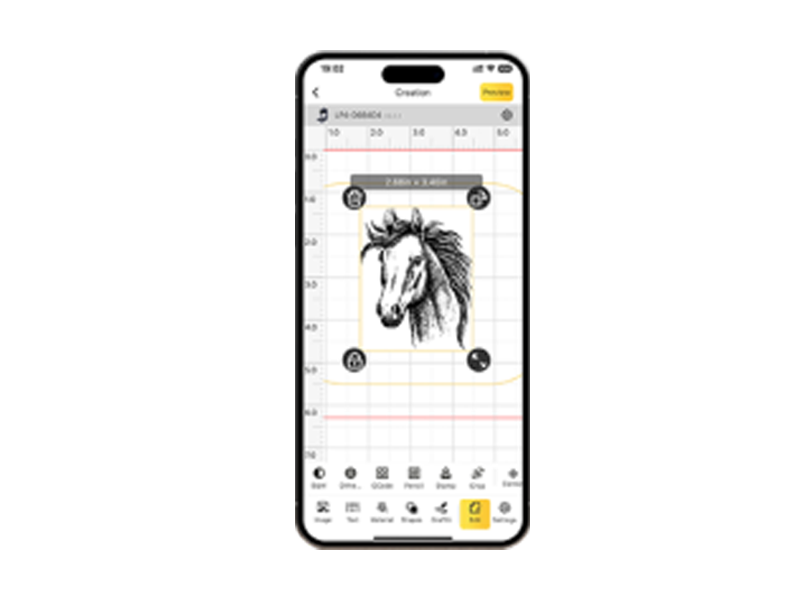



















Engraving a lock offers a practical solution for personal identification, security marking, and functional customisation. From personal padlocks and storage locks to workshop and inventory applications, engraved markings provide a permanent and clear way to identify and organise locks.
This article presents three effective lock engraving techniques — laser engraving, rotary engraving, and CNC engraving — designed to suit different budgets, technical skills, and application needs for both home and workshop use.

In this article:
- Method 1: Engrave a Lock with a Laser Engraving Machine
- Method 2: Engrave a Lock with a Rotary Tool
- Method 3: Engrave a Lock with a CNC Machine
Method 1: Engrave a Lock with a Laser Engraving Machine
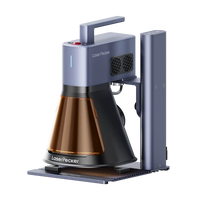
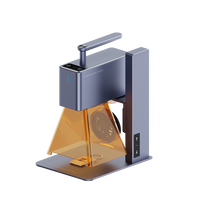
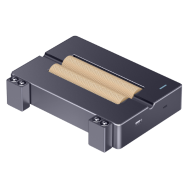
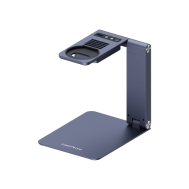
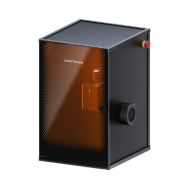
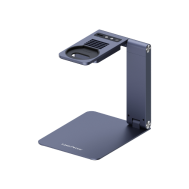
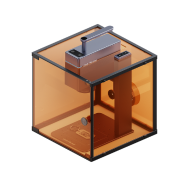
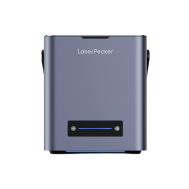
Laser engraving is one of the most precise and professional ways to engrave text, logos, serial numbers, or designs on metal locks. It uses a focused laser beam to remove material from the surface of the lock, creating permanent, high-resolution markings.
What You'll Need for Laser Engraving a Lock:
- A laser engraving machine
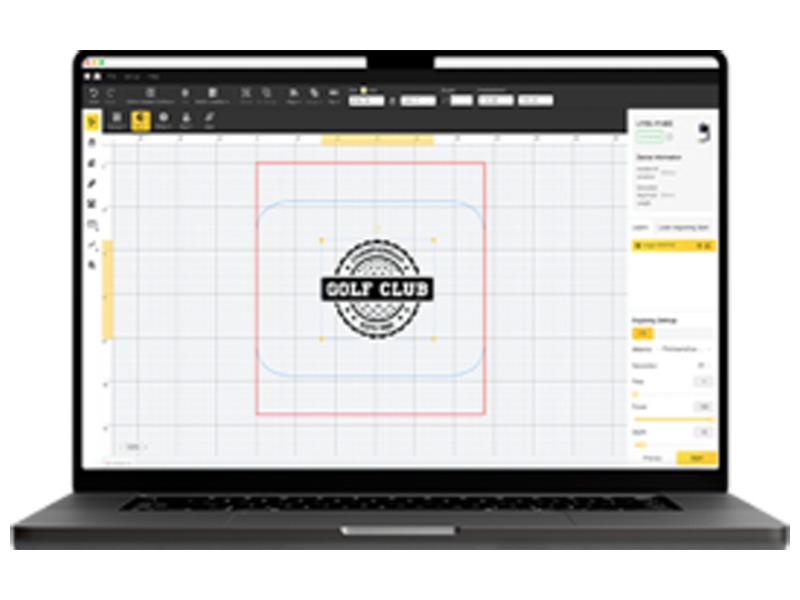
- Design software (e.g., LightBurn, LaserPecker Software & App)
- Lock (made of metal, preferably stainless steel, brass, or aluminium)
Steps to Engrave a Lock with a Laser Machine
Step 1: Design the Engraving
Create or import your text or logo into the engraving software.
Step 2: Prepare the Lock
Clean the surface to remove any dust, oil, or coatings.
Step 3: Secure the Lock
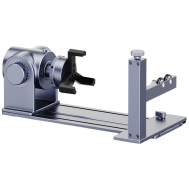
Place it flat on the laser bed or mount it with a rotary attachment for curved surfaces.
Step 4: Adjust Settings
Set the correct laser power, speed, and focus based on the lock's material.
Step 5: Start Engraving
Begin the laser job and monitor the process for safety.
Step 6: Clean the Lock
Wipe away any residue or oxidation marks post-engraving.
Advantages and Limitations of Laser Engraving a Lock
👍Advantages:
Extremely precise and clean engraving results
Permanent and durable markings
Works well for logos, serial numbers, and QR codes
Contactless process—no pressure or damage to the lock
👎Limitations:
High equipment cost
Method 2: Engrave a Lock with a Rotary Tool
Using a rotary tool to engrave a lock is a practical and cost-effective DIY method for basic personalisation and identification marking. The rotating engraving bit mechanically removes surface material, creating visible markings on metal locks. While less accurate than laser-based systems, this approach is suitable for simple customisation and home workshop use.
Required Tools:
- Rotary tool or electric engraving pen
- Clamp, vise, or non-slip mat
Steps to Engrave a Lock with a Rotary Tool
Step 1: Clean the Lock
Wipe the surface to remove dirt and oils.
Step 2: Mark the Design
Use a permanent marker or stencil to draw your text or design on the lock.
Step 3: Secure the Lock
Clamp it firmly in place to prevent movement during engraving.
Step 4: Install Engraving Bit
Choose a fine-point bit suitable for metal and attach it to the rotary tool.
Step 5: Begin Engraving
Turn on the tool and carefully trace your design at a steady pace. Apply light pressure.
Step 6: Clean Up
Wipe off dust and inspect your work.
Advantages and Limitations of Engraving a Lock with a Rotary Tool
👍Advantages:
Affordable DIY solution
Suitable for basic marking and identification
👎Limitations:
Limited engraving precision
Not ideal for detailed or small designs
Method 3: Engrave a Lock with a CNC Machine
CNC (Computer Numerical Control) engraving uses digitally controlled machining to create highly accurate and repeatable engravings on metal surfaces. When applied to locks, CNC engraving produces clean, uniform, and professional results, making it suitable for serial numbering, branding, traceability marking, and precision engraving applications.
Required Tools:
- CNC Engraving Machine (desktop or industrial, depending on lock size)
- Computer with CAD/CAM software
Steps to Engrave a Lock via CNC Machine
Step 1: Design the Engraving
Create or import your design in a CAD program. Convert it into G-code using CAM software.
Step 2: Prepare the Lock
Clean the surface and secure the lock onto the machine's bed using a vice or fixture.
Step 3: Set Up the CNC Machine
Load the design file, set the tool path, and adjust the spindle speed and depth based on the lock's material.
Step 4: Start Engraving
Execute the job and monitor the process to ensure accurate engraving.
Advantages and Limitations of Engraving a Lock with a CNC Machine
👍Advantages:
High-precision engraving
Excellent repeatability and consistency
👎Limitations:
Complex setup and operation
Not cost-effective for one-off engraving
Hot Questions about Lock Engraving
Q1. Is it possible to engrave a lock at home?
Yes, locks can be engraved at home using laser engravers or manual tools such as rotary engravers. This is commonly done for personal identification, asset marking, and basic security labelling.
Q2. What materials are suitable for lock engraving?
Metal locks made from stainless steel, brass, aluminium, and coated alloys are suitable for engraving. Plastic locks are generally not recommended for engraving.
Q3. Is laser engraving suitable for metal locks?
Yes, laser engraving is highly suitable for metal locks. It provides precise, contact-free marking and produces permanent, corrosion-resistant engravings.
Q4. Can engraving affect the strength of a lock?
Surface-level engraving does not compromise lock strength. Structural weakening only occurs if excessive depth is engraved or critical structural areas are damaged.
Q5. What are common uses of engraved locks?
Engraved locks are commonly used for asset identification, inventory management, theft prevention, access control marking, and ownership identification.
Q6. Which engraving method is most accurate?
CNC and laser engraving offer the highest accuracy and consistency. Manual engraving methods are less precise but suitable for simple marking needs.
Q7. Are engraved markings durable outdoors?
Yes, engraved markings are highly durable, especially when produced by laser or CNC engraving. They resist wear, weather exposure, and corrosion better than printed labels or stickers.
Conclusion
Lock engraving is a practical and achievable process when the right method is chosen. From precision laser engraving to CNC machining and manual rotary tools, each technique serves different needs—from professional marking and batch production to simple personal identification.
Laser and CNC engraving are ideal for high-accuracy, long-lasting markings, while rotary tools provide flexibility for small-scale DIY projects.
With proper planning and suitable equipment, engraved locks become not only functional security items, but also clearly identifiable, durable, and professionally finished products.