




























Les cake toppers sont un élément décoratif polyvalent pour les anniversaires, mariages, événements d'entreprise et célébrations à travers l'Europe. Un topper personnalisé ajoute du caractère à un gâteau et permet de renforcer le thème général de l'événement.
La découpe laser permet de produire des cake toppers personnalisés précis, avec des lettres nettes, des graphiques complexes et des détails réguliers. Comparée aux méthodes de fabrication manuelles, la technologie laser offre une précision et une répétabilité supérieures — idéales pour les amateurs comme pour les petites entreprises.
Dans ce guide, nous examinerons les matériaux adaptés à la découpe laser pour les cake toppers, présenterons un processus de fabrication clair étape par étape et expliquerons pourquoi la découpe laser constitue une solution efficace et évolutive pour créer des décorations de gâteaux personnalisées.

Dans cet article :
- Partie 1 : Matériaux et outils nécessaires pour découper un cake topper au laser
- Partie 2 : Guide étape par étape pour découper un cake topper au laser
- Partie 3 : Pourquoi la découpe laser est meilleure que les autres méthodes pour les cake toppers
- Partie 4 : Découpeur laser recommandé pour les projets de cake topper
- Partie 5 : FAQ sur la découpe laser des cake toppers
Partie 1 : Matériaux et outils nécessaires pour découper un cake topper au laser
Avant de commencer la production, assurez-vous que tous les matériaux, l'équipement et les mesures de sécurité sont correctement préparés. Une installation stable améliore la qualité de la découpe et l'efficacité du flux de travail.
Matériaux (Acrylique et Bois)
À travers l'Europe, l'acrylique et le bois sont largement utilisés pour les cake toppers décoratifs.
Acrylique :
Disponible en finitions transparentes, miroir, mates et pailletées, l'acrylique offre des bords nets et un aspect professionnel. Lorsqu'il est utilisé pour la décoration de gâteaux, vérifiez que le matériau respecte les normes de sécurité pour le contact alimentaire ou assurez-vous que seule la partie tige touche le gâteau. L'acrylique est particulièrement adapté aux styles d'événements contemporains.

Bois :
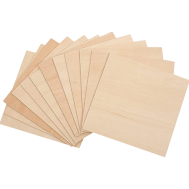
Le tilleul et le contreplaqué de bouleau sont des options courantes grâce à leur grain régulier et à leurs bonnes propriétés de découpe. Les cake toppers en bois conviennent particulièrement aux thèmes d'événements rustiques, naturels et minimalistes. Un post-traitement tel que le ponçage, la teinture ou l'application d'un vernis améliore la durabilité et le contraste visuel.

Outils nécessaires
Pour découper un cake topper au laser avec succès, vous aurez besoin de :
- Découpeur laser :
Un système laser de précision est nécessaire pour obtenir des bords nets et un lettrage précis. - Logiciel de conception :
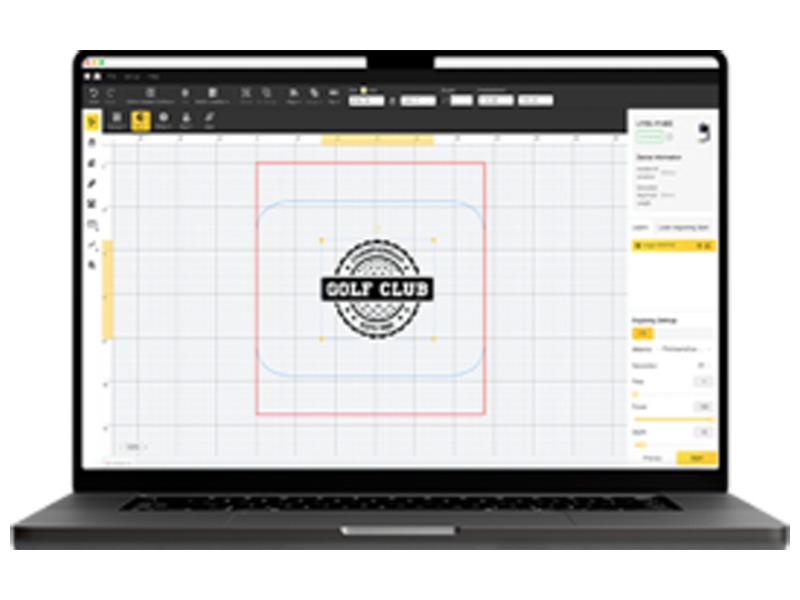
Utilisez LightBurn, Adobe Illustrator ou LaserPecker Design Space pour créer vos designs. - Équipement de sécurité :
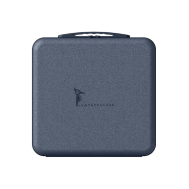
Portez toujours des lunettes de protection laser appropriées et assurez une ventilation adéquate lorsque vous utilisez votre machine en intérieur. - Accessoires de maintien :
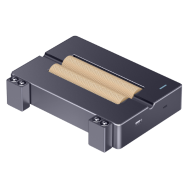
Des pinces, des plateaux de travail en nid d'abeille et du ruban adhésif à faible adhérence permettent de maintenir les matériaux bien à plat pendant la découpe, ce qui améliore la précision et réduit les traces de brûlure.
Partie 2 : Guide étape par étape pour découper un cake topper au laser
Après avoir préparé vos matériaux et votre équipement, suivez ces étapes pour produire un cake topper précis et professionnel.
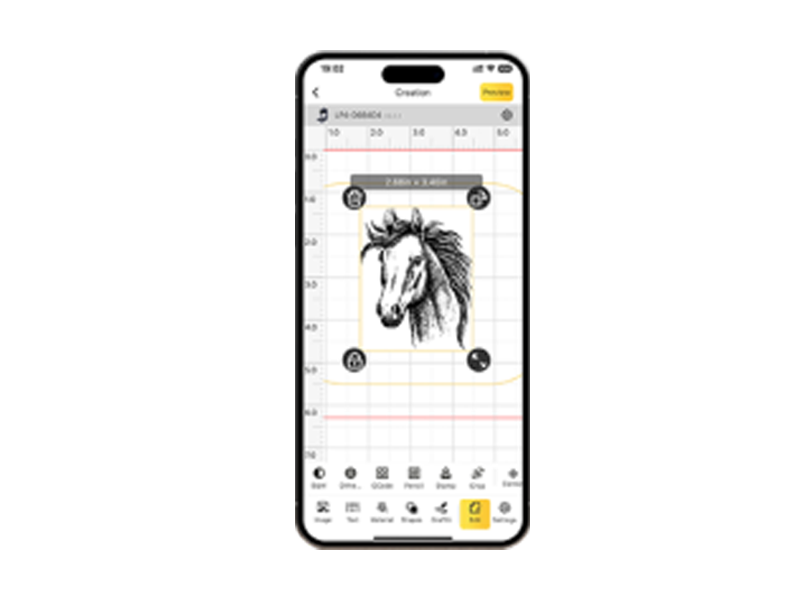
Étape 1. Concevoir le topper
Créez votre design dans un logiciel vectoriel. Les éléments courants incluent des noms, des dates, des messages de célébration ou des thèmes d'événement. Ajoutez des éléments graphiques décoratifs si nécessaire et assurez-vous qu'une tige de support est intégrée dans la mise en page afin de garantir la stabilité structurelle.
Exportez le fichier au format SVG, DXF ou AI afin d'assurer la compatibilité avec votre système laser.
Étape 2. Préparer votre matériau
Sélectionnez de l'acrylique ou du bois selon l'esthétique souhaitée.
- Les plaques d'acrylique doivent être propres et plates ; retirez le film protecteur si nécessaire.
- Les plaques de bois doivent être légèrement poncées afin de réduire les fibres de surface et d'améliorer la clarté de la gravure.
Positionnez le matériau de manière sécurisée sur le plateau de travail du laser afin d'éviter tout mouvement pendant la découpe.
Étape 3. Ajuster les paramètres du laser
Réglez la puissance, la vitesse et la mise au point en fonction de l'épaisseur et de la densité du matériau. Des réglages incorrects peuvent entraîner des marques de brûlure ou des découpes incomplètes. Effectuez un test de calibration sur un morceau de matériau de récupération afin de vérifier la qualité des bords avant de découper le topper final.
Étape 4. Graver d'abord, puis découper
Commencez par graver les détails fins tels que le lettrage ou les motifs décoratifs. Une fois la gravure terminée, découpez le contour extérieur du topper. Cette séquence garantit un alignement précis et une finition propre.
Étape 5. Post-traitement et considérations d'hygiène
Retirez les couches de protection et nettoyez le topper terminé. Les bords en acrylique peuvent nécessiter un léger polissage, tandis que les surfaces en bois peuvent être teintées ou vernies.
Pour une utilisation alimentaire, assurez-vous que la partie insérée dans le gâteau est propre et exempte de résidus. Envisagez l'utilisation d'un emballage alimentaire ou de méthodes de protection si cela est requis par les pratiques d'hygiène locales.
Partie 3 : Pourquoi la découpe laser est meilleure que les autres méthodes pour les cake toppers
Comparée aux techniques de découpe manuelle ou aux machines de loisirs d'entrée de gamme, la découpe laser offre une précision, une efficacité et une évolutivité supérieures pour la production de cake toppers.
Raison 1 : Précision supérieure des détails
Les systèmes laser offrent une précision vectorielle élevée, permettant d'obtenir une typographie nette, des graphiques complexes et des éléments décoratifs délicats. Les petits détails restent cohérents et structurellement stables, même sur des matériaux fins.
Raison 2 : Qualité de bord nette
La découpe laser produit des bords lisses et bien définis aussi bien dans l'acrylique que dans le bois. Cela réduit le temps de finition et améliore la qualité visuelle globale par rapport aux méthodes à lame, qui peuvent laisser des découpes irrégulières.
Raison 3 : Fabrication multicouche efficace
Les designs en plusieurs couches — incluant du texte gravé, des lettres en relief et des cadres décoratifs — peuvent être réalisés dans un seul flux de travail numérique. Cela améliore la précision d'alignement et réduit les erreurs d'assemblage dans les toppers composés de plusieurs pièces.
Raison 4 : Reproductibilité pour un usage commercial
Les systèmes laser permettent de reproduire des designs identiques avec une qualité constante. Cela est particulièrement utile pour les fournisseurs d'événements, les pâtisseries et les petites entreprises nécessitant une production en série.
Raison 5 : Gamme de matériaux plus large
La technologie laser permet de travailler avec des plaques de bois plus épaisses, des panneaux d'acrylique et des matériaux composites qui peuvent dépasser les capacités des découpeuses artisanales manuelles.
Raison 6 : Flux de travail plus propre
Le traitement guidé par ordinateur réduit le temps de manipulation, minimise les erreurs d'alignement et limite le gaspillage de matériaux. Le processus de production global devient ainsi plus rapide et plus prévisible.
Pour les créateurs et les entreprises qui recherchent une production de cake toppers de haute qualité, reproductible et évolutive, la découpe laser offre des avantages mesurables par rapport aux méthodes artisanales traditionnelles.
Partie 4 : Découpeur laser recommandé pour les projets de cake topper
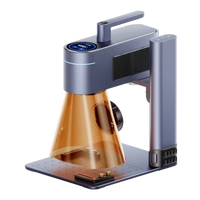
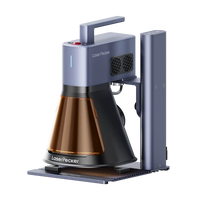
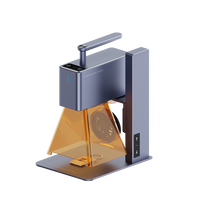
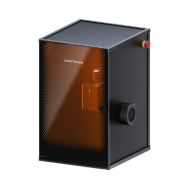
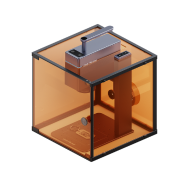
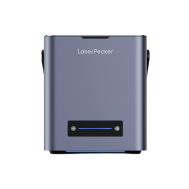
Pour la production de cake toppers nécessitant précision et reproductibilité, le LaserPecker LP5 offre une solution flexible à double laser.
Le LP5 dispose d'une configuration à double laser : un laser à diode de 20W et un laser fibre de 20W. Le laser à diode est adapté à la découpe de matériaux tels que le bois et l'acrylique (généralement jusqu'à 15–20 mm selon la densité et les réglages), ce qui le rend particulièrement approprié pour produire des cake toppers aux bords nets et réguliers. Le laser fibre permet une gravure précise de détails fins, notamment des motifs floraux délicats, des monogrammes et des bordures décoratives.
Avec des vitesses de gravure atteignant 10 000 mm/s, le LP5 permet une production efficace en petites séries tout en maintenant une qualité constante.
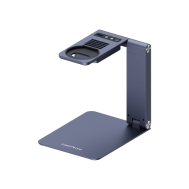
Si une zone de travail plus grande est nécessaire, la Slide Extension permet d'étendre l'espace de travail jusqu'à 160 × 300 mm. Cela est particulièrement utile pour les designs de toppers de grande taille ou pour les configurations de production en série.
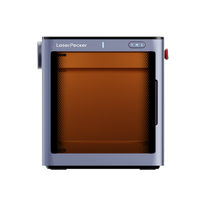
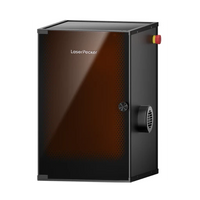
La sécurité en intérieur et la conformité réglementaire sont des considérations essentielles dans toute l'Union européenne. Lorsqu'il est utilisé avec son boîtier de sécurité approprié, le LP5 fonctionne comme un système laser de classe 1, ce qui contribue à réduire les risques d'exposition dans les environnements résidentiels ou les petits espaces commerciaux.
L'équilibre entre précision, vitesse et fonctionnalités de sécurité configurables fait du LP5 une solution adaptée aux créateurs, aux pâtisseries, aux organisateurs d'événements et aux petites entreprises produisant des cake toppers personnalisés.
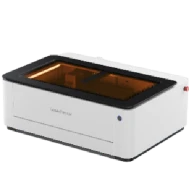
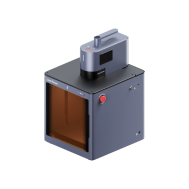
Comme alternative, le LaserPecker LX2 est disponible en configurations 20W, 40W et 60W pour les applications de découpe à plus grande échelle.
Partie 5 : FAQ sur la découpe laser des cake toppers
Q1. Cake toppers en acrylique ou en bois : quel matériau est le plus adapté ?
Le choix dépend des objectifs de design et des exigences de production.
L'acrylique offre une apparence propre et contemporaine et permet une découpe détaillée avec peu de post-traitement. Il est léger et disponible dans différentes finitions.
Le bois propose une esthétique naturelle et une sensation structurelle plus solide. Il est souvent choisi pour les mariages et les événements à thème. Le bois peut être peint, teinté ou verni selon la présentation souhaitée.
Pour les designs vectoriels complexes, l'acrylique permet souvent une meilleure conservation des détails nets.
Q2. Les cake toppers découpés au laser sont-ils sûrs pour un usage alimentaire ?
Les cake toppers découpés au laser peuvent être utilisés en toute sécurité lorsque certaines précautions sont respectées.
Seule la tige ou la partie de support doit entrer en contact avec le gâteau. De nombreux utilisateurs isolent la tige avec un emballage alimentaire ou l'insèrent dans une barrière protectrice comme une paille.
Les toppers doivent être nettoyés afin d'éliminer la poussière ou les débris avant utilisation.
Q3. Peut-on réaliser des designs complexes sans qu'ils se cassent ?
Les systèmes laser permettent des détails très précis ; toutefois, la résistance structurelle doit être prise en compte.
Pour améliorer la durabilité :
- Évitez les traits excessivement fins
- Augmentez l'épaisseur minimale des lignes
- Utilisez une construction en plusieurs couches pour renforcer la structure
L'optimisation du design permet de préserver la solidité lors de l'insertion et de la manipulation.
Q4. Les cake toppers découpés au laser sont-ils réutilisables ?
Oui, en particulier les versions en acrylique.
Les toppers en acrylique peuvent être nettoyés et réutilisés plusieurs fois. Les toppers en bois peuvent également être réutilisés, mais doivent être conservés dans des conditions sèches afin d'éviter toute déformation liée à l'humidité.
L'application d'une finition protectrice peut prolonger leur durée de vie.
Q5. Quelle puissance laser est nécessaire pour découper des cake toppers ?
Pour des plaques standard de bois ou d'acrylique de 3 mm, un laser à diode de 20W est généralement suffisant. Les matériaux plus épais peuvent nécessiter une puissance plus élevée ou plusieurs passes selon la configuration de la machine.
Q6. Comment améliorer l'efficacité de la production ?
L'optimisation de la disposition en série, l'utilisation de matériaux d'épaisseur uniforme et la réalisation de tests de découpe avant les productions complètes peuvent améliorer l'efficacité du flux de travail et réduire le gaspillage.
Q7. Une ventilation est-elle nécessaire lors de la découpe de l'acrylique ?
Oui. Une ventilation appropriée ou un système d'extraction est recommandé lors du traitement de l'acrylique afin de gérer les fumées et de maintenir un fonctionnement intérieur sûr.
Conclusion
Les cake toppers découpés au laser offrent une solution professionnelle et personnalisable pour la décoration de gâteaux. Avec des matériaux et un équipement appropriés, les utilisateurs peuvent produire efficacement des toppers pour les mariages, anniversaires, événements d'entreprise et la vente au détail.
L'utilisation d'un système tel que le découpeur laser LP5 permet d'obtenir un processus à la fois précis et efficace. Les lettres fines, les bordures décoratives, les monogrammes et les designs thématiques peuvent être réalisés avec un niveau de détail difficile à atteindre manuellement.
Pour les projets nécessitant des formats plus grands ou des matériaux plus épais, le LaserPecker LX2 constitue une alternative solide. Comparé au LP5, il offre une zone de travail plus grande et des options de puissance plus élevées, ce qui le rend plus adapté à la découpe de cake toppers de grande taille ou au traitement de bois et d'acrylique plus épais avec des résultats constants.
Pour les créateurs amateurs, les fournisseurs d'événements, les pâtisseries ou les petites entreprises, la découpe laser offre des possibilités de design évolutives. Monogrammes, noms, scènes décoratives et graphiques personnalisés peuvent être reproduits de manière fiable tout en conservant une excellente qualité de bord.
Avec une sélection appropriée des matériaux et une optimisation du flux de travail, la technologie laser permet aux créateurs de produire des cake toppers cohérents et de haute qualité adaptés à une grande variété d'occasions.