









































Leather is a robust and adaptable material, but cutting it cleanly requires the right tools and proper technique. Whether for DIY crafts, accessories, or precision design work, choosing a suitable cutting method is key to achieving accurate and consistent results.
This guide outlines four effective leather cutting methods, ranging from manual tools to advanced laser cutting technology, allowing you to select the most appropriate solution for your application.

In this article:
- Method 1: Cut Leather using Scissors
- Method 2: Cut Leather using Craft Knives
- Method 3: Cut Leather using a Cutting Wheel
- Method 4: Cut Leather using a Laser Cutter
- FAQs: Hot Questions about Cutting Leather
Method 1: Cut Leather using Scissors
Cutting leather with scissors is a practical and accessible option, especially for thin, soft, or flexible leather types. This method is well-suited for beginners and is commonly used for simple applications such as patches, straps, and small leather goods.
Tools Needed:
- A pair of sharp fabric or leather scissors (not regular paper scissors)
- Ruler or measuring tape
- Marker or chalk for marking cut lines
Steps to Do
1. Place the leather flat on your work surface.
2. Mark your cutting lines with chalk or a washable marker.
3. Hold the leather firmly and cut slowly along the marked line.
4. Use long, smooth cuts instead of short snips to avoid jagged edges.
5. Test the edges and trim any rough spots for a clean finish.
Advantages and Limitations of Cutting Leather with Scissors
Advantages
- Easy and beginner-friendly
- No special equipment needed
Limitations
- Not suitable for thick or stiff leather
- Can cause uneven edges if scissors are dull
Method 2: Cut Leather using Craft Knives
Craft knives, including utility knives and precision blades such as X-Acto knives, are widely used for leather cutting due to their precision and clean cutting performance. This method is effective for both thin and thicker leather types and is particularly suitable for detailed designs, curves, and straight-line cuts.
Tools Needed
- A sharp craft knife (utility knife, X-Acto, or specialized leather knife)
- Cutting mat or thick board to protect your surface
- Ruler, straight edge, or template
Steps to Do
1. Place the leather flat on a cutting mat.
2. Mark your cutting lines or trace your template onto the leather.
3. Hold the ruler or straight edge firmly for straight cuts.
4. Make slow, steady passes with the knife—don't try to cut through in one go.
5. Repeat until the blade slices completely through the leather.
Advantages and Limitations of Cutting Leather with Craft Knives
Advantages
- Works well for both thin and thick leather
- Provides precise and clean cuts
Limitations
- Requires a steady hand and practice
- Blades dull quickly and need frequent replacement
- Higher risk of injury compared to scissors
Method 3: Cut Leather using a Cutting Wheel
A rotary cutter, also referred to as a cutting wheel, features a circular blade that glides across the leather surface to deliver clean and consistent cuts. It is particularly suitable for producing long, straight lines and evenly sized strips, making it a preferred tool for belts, straps, and repetitive cutting tasks. This method is efficient and best suited for medium to thin leather materials.
Tools Needed
- Rotary cutter (sharp cutting wheel)
- Cutting mat or thick board to protect your surface
- Ruler or straight edge
- Marker or chalk for marking cut lines
Steps to Do
1. Place the leather on a flat cutting mat.
2. Mark your cutting line with chalk or a marker.
3. Align a ruler or straight edge along the line.
4. Hold the ruler firmly in place, then roll the cutting wheel smoothly along the edge.
5. Repeat the cut if needed until the leather is fully separated.
Advantages and Limitations of Cutting Leather with a Cutting Wheel
Advantages
- Quick and efficient for long, straight cuts
- Produces smooth, clean edges
- Suitable for a wide variety of plastic types
Limitations
- Not ideal for thick or very stiff leather
- Limited precision for small details or curves
Method 4: Cut Leather using a Laser Cutter
Laser cutting is one of the most advanced and accurate methods for processing leather. By using a concentrated laser beam, it enables clean cuts, complex geometries, and highly repeatable production results. This makes it especially suitable for professional workshops, small-scale manufacturing, and advanced DIY users.
Tools Needed
- Laser cutter (with appropriate settings for leather)
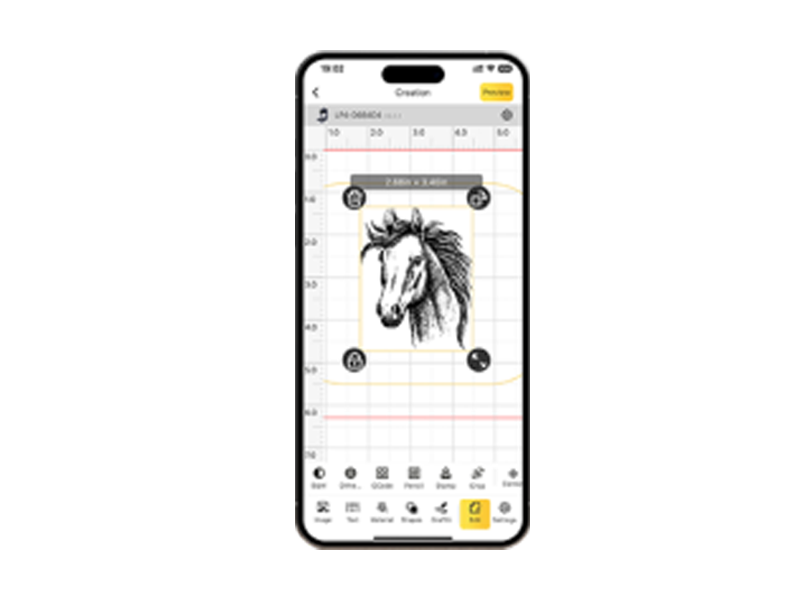
- Computer or Mobile Devices with design software (to prepare patterns)
- Ventilation or fume extraction system (since cutting leather produces smoke and odor)
- Protective eyewear if recommended by your machine's safety guidelines
Steps to Do
1. Prepare your design in compatible software and upload it to the laser cutter.
2. Place the leather flat on the machine bed and secure it to prevent shifting.
3. Adjust laser settings (power, depth, and pass) according to the leather thickness.
4. Run a small test cut to ensure clean results
5. Start the cutting process and let the laser complete the design.
6. Remove the leather and clean the edges if needed.
Advantages and Limitations of Cutting Leather with a Laser Cutter
Advantages
- Extremely precise and repeatable results
- Can cut intricate patterns and fine details
- Works well for both thin and thick leather
- No physical strain compared to manual tools
Limitations
- Requires access to a laser cutter (expensive investment)
- Can leave slightly burned or darkened edges depending on the wrong settings
FAQs: Hot Questions About Cutting Leather
Q1. What is the best tool to cut leather with?
The best tool depends on the leather type and your project. For thin, soft leather, sharp scissors work well. For thicker materials or precise shapes, a craft knife or rotary cutter is more suitable. If you need intricate designs or consistent, professional results, a laser cutter is often the best option.
Q2. How can I cut leather at home?
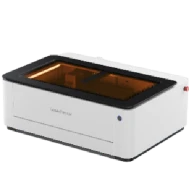
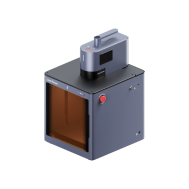
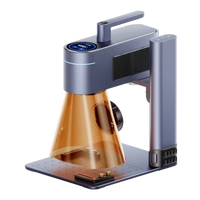
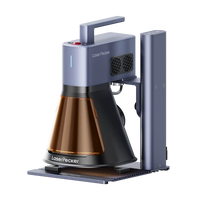
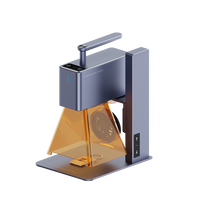
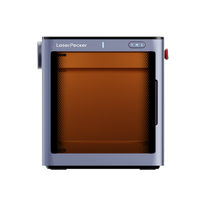
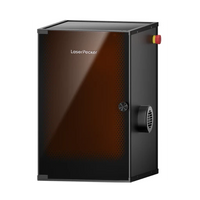
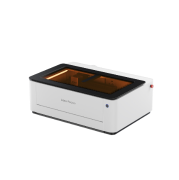
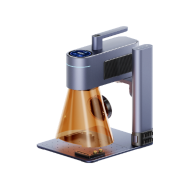
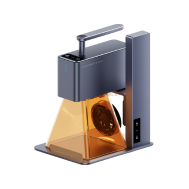
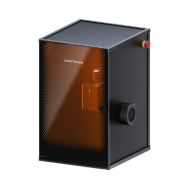
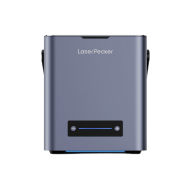
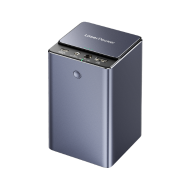
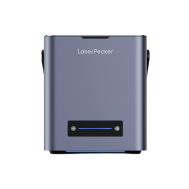
You can cut leather at home using simple tools such as scissors, craft knives, or a portable laser cutter like the LP2 Plus. For larger-area projects or thicker leather cutting, a more powerful system such as the LaserPecker LX2 is recommended, as it can handle greater material thickness and provide consistent, precise results. Place the leather on a cutting mat, mark your lines clearly, and cut slowly along the guide. Always use sharp tools to achieve clean edges and avoid tearing.
Q3. Is leather easy to cut?
Leather can be easy to cut when you use the right tools and technique. Thin leather is relatively straightforward, while thicker or stiffer leather requires sharper blades and multiple passes. Using dull tools will make the process more difficult and less accurate.
Q4. How do I cut leather straight by hand?
To cut leather straight, place it on a stable cutting mat and mark a straight line using a ruler. Use a craft knife or rotary cutter along the edge, applying steady pressure. Avoid freehand cutting if you want clean, straight results.
Q5. Can I use a laser cutter for leather at home?
Yes, many modern desktop machines make it possible to use a laser cutter at home. Compact models are designed for small workshops and home studios, offering precise cutting while remaining space-efficient. Proper ventilation and safety precautions are still essential.
Q6. What type of leather is best for laser cutting?
Vegetable-tanned leather is generally the best choice for laser cutting. It produces cleaner edges and fewer harmful fumes compared to chrome-tanned leather. Always check material compatibility before using a laser cutter.
Q7. Do I need ventilation when cutting leather?
When cutting leather—especially with a laser cutter—proper ventilation, protective eyewear, and correct machine settings are essential. These measures help ensure safe operation and consistent results.
Conclusion:
Leather cutting can be carried out using a range of techniques, from manual tools to advanced equipment. Scissors are suitable for soft and lightweight leather, while craft knives allow for precise cutting on both thin and thicker materials. A rotary cutter is effective for clean, straight lines, particularly for straps and belts, while a laser cutter ensures high precision for complex and detailed designs.
The most appropriate method depends on your specific application, budget, and level of experience—whether for home use or professional production.